- Home
- About Us
- Products
- Hydraulic Metal Briquetting Machine
- Hydraulic Briquetting Machine
- Manganese Briquetting Machine
- Cast Iron Briquetting Machine
- Copper Briquetting Machine
- Metal Briquetting Machine
- Iron Briquetting Machine
- Cast Steel Briquetting Machine
- Steel Briquetting Machine
- Aluminium Briquetting Machine
- Scrap Briquetting Machine
- Brass Briquetting Machine
- Bronze Briquetting Machine
- Titanium Briquetting Machine
- Magnesium Briquetting Machine
- Tin Briquetting Machine
- Non Ferrous Briquetting Machine
- Hydraulic Metal Baler Machine
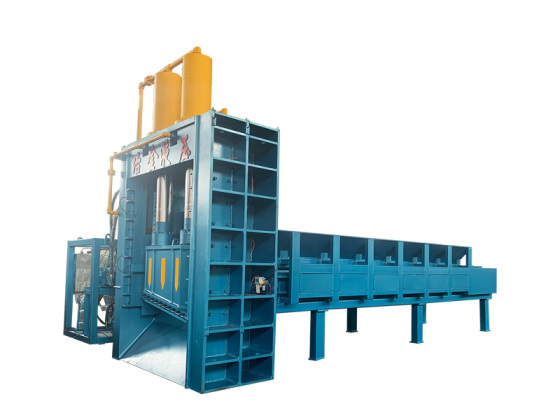
- Hydraulic Metal Shear Machine
- Hydraulic Metal Briquetting Machine
- News
- Download
- Send Inquiry
- Contact Us

How Does a Steel Briquetting Machine Optimize Your Metal Recycling Process?
Summary: Steel briquetting machines play a crucial role in modern metal recycling, transforming scrap steel into compact briquettes. This process not only enhances storage and transportation efficiency but also improves overall recycling performance. In this article, we will explore the working principles, advantages, types, and maintenance strategies of steel briquetting machines, helping businesses make informed decisions and solve common pain points in scrap metal management.
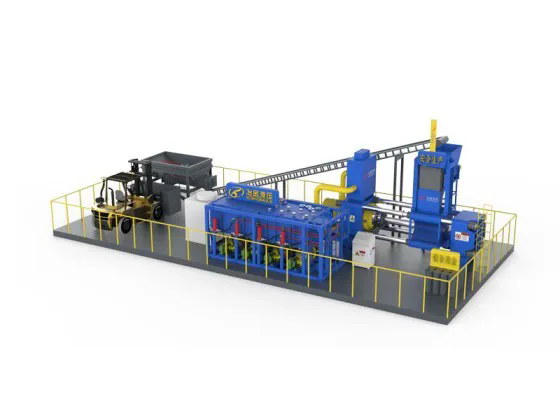
Table of Contents
- What is a Steel Briquetting Machine?
- Working Principle of a Steel Briquetting Machine
- Key Advantages of Steel Briquetting Machines
- Types of Steel Briquetting Machines
- Maintenance Tips and Troubleshooting
- Frequently Asked Questions
- Conclusion and Contact
What is a Steel Briquetting Machine?
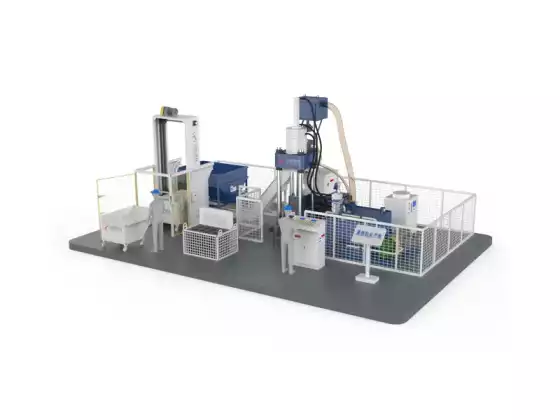
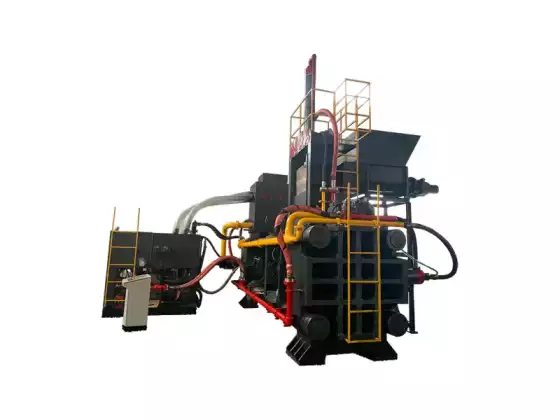
A steel briquetting machine is an industrial device designed to compress loose steel scrap, iron powder, or other ferrous materials into dense briquettes. These compact shapes facilitate easier handling, transportation, and storage while minimizing environmental impact and operational costs. Companies like ECOHYDRAULIC specialize in providing high-performance steel briquetting solutions for a variety of industries, including foundries, recycling plants, and metal fabrication units.
The main purpose of steel briquetting is to:
- Reduce volume of scrap material.
- Enhance recycling efficiency.
- Minimize dust and pollution during handling.
- Improve profitability by creating higher-value briquettes.
Working Principle of a Steel Briquetting Machine
The operation of a steel briquetting machine is based on hydraulic compression. Here's how the process works step by step:
- Feeding: Loose scrap metal or iron powder is fed into the machine hopper.
- Compression: Hydraulic cylinders exert high pressure on the metal material.
- Forming: Material is compacted into uniform briquette shapes through molds or dies.
- Discharge: Finished briquettes are ejected automatically for collection and storage.
Below is a simplified comparison of pre- and post-briquetting characteristics:
| Feature | Loose Scrap | Briquetted Steel |
|---|---|---|
| Volume | High | Reduced by up to 70% |
| Handling | Difficult | Easy and safe |
| Transportation Cost | High | Significantly lower |
| Environmental Impact | Dust and waste | Minimal pollution |
Key Advantages of Steel Briquetting Machines
Investing in a steel briquetting machine provides numerous benefits for companies handling metal scrap:
- Improved Material Utilization: Briquettes recover more metal from scrap and powder.
- Cost Reduction: Lower transportation and storage costs due to compacted volumes.
- Environmentally Friendly: Reduces metal dust, spills, and industrial waste.
- Consistent Quality: Uniform briquette size improves downstream processing efficiency.
- Enhanced Safety: Handling briquettes is safer than loose, sharp metal scraps.
Types of Steel Briquetting Machines
Steel briquetting machines come in various models, depending on pressure type, automation level, and material requirements. Common types include:
- Hydraulic Briquetting Press: High pressure for dense and strong briquettes.
- Mechanical Briquetting Press: Uses mechanical leverage for lower-cost operations.
- Fully Automatic Briquetting Machine: Continuous operation with minimal human intervention.
- Manual Briquetting Press: Suitable for small-scale operations or lab testing.
Selection depends on scrap volume, desired briquette size, and production goals. For high-efficiency operations, ECOHYDRAULIC recommends hydraulic models with automated feeding systems.
Maintenance Tips and Troubleshooting
Proper maintenance ensures long-lasting performance of steel briquetting machines. Follow these tips:
- Regular Lubrication: Ensure moving parts are well-lubricated to prevent wear.
- Check Hydraulic System: Monitor pressure, fluid levels, and cylinder health.
- Clean Die and Molds: Prevent residue buildup that can affect briquette quality.
- Inspect Electrical Components: Ensure sensors and automation systems work properly.
- Training Operators: Proper handling reduces machine downtime and safety hazards.
Common troubleshooting issues include:
- Briquettes not forming: Check hydraulic pressure and material feed.
- Uneven briquettes: Inspect die alignment and hydraulic cylinder function.
- Hydraulic leaks: Replace worn seals or hoses immediately.
Frequently Asked Questions
Q1: What types of materials can be briquetted?
A: Most ferrous materials including iron powder, steel chips, and scrap metal can be processed.
Q2: How much can a briquetting machine reduce scrap volume?
A: Depending on material density, volume reduction can reach up to 70%.
Q3: Can briquettes be customized in shape and size?
A: Yes, using different molds and adjustable press settings, uniform shapes and sizes are achievable.
Q4: What is the expected lifespan of a steel briquetting machine?
A: With proper maintenance, hydraulic briquetting machines can last over 10 years.
Conclusion and Contact
Steel briquetting machines are indispensable for modern metal recycling operations, offering improved efficiency, reduced costs, and environmental benefits. Companies like ECOHYDRAULIC provide robust and reliable solutions tailored to your production needs. By choosing the right machine and maintaining it properly, your business can maximize scrap value and streamline operations.
For more details or to request a quote, please contact us today and discover how ECOHYDRAULIC can help elevate your metal recycling efficiency.
Related News
- How Does a Cast Iron Briquetting Machine Improve Metal Recycling Efficiency?
- How Can a Copper Briquetting Machine Improve Metal Recycling Efficiency?
- How Does an Aluminium Briquetting Machine Transform Metal Scrap into Valuable Resources?
- How Does a Plate Shear Machine Boost Production Efficiency?
- What Are the Advantages of Hydraulic Metal Briquetting Machine?
- How Does an Iron Briquetting Machine Work?
Leave me a message