- Home
- About Us
- Products
- Hydraulic Metal Briquetting Machine
- Hydraulic Briquetting Machine
- Manganese Briquetting Machine
- Cast Iron Briquetting Machine
- Copper Briquetting Machine
- Metal Briquetting Machine
- Iron Briquetting Machine
- Cast Steel Briquetting Machine
- Steel Briquetting Machine
- Aluminium Briquetting Machine
- Scrap Briquetting Machine
- Brass Briquetting Machine
- Bronze Briquetting Machine
- Titanium Briquetting Machine
- Magnesium Briquetting Machine
- Tin Briquetting Machine
- Non Ferrous Briquetting Machine
- Hydraulic Metal Baler Machine
- Hydraulic Metal Shear Machine
- Hydraulic Metal Briquetting Machine
- News
- Download
- Send Inquiry
- Contact Us

How Does an Aluminium Briquetting Machine Transform Metal Scrap into Valuable Resources?
Aluminium processing plants, die-casting workshops, machining factories, and recycling facilities generate large quantities of aluminium chips, turnings, shavings, and loose scrap every day. These lightweight materials occupy significant storage space, create handling difficulties, increase transportation costs, and often result in material loss during recycling.
An Aluminium Briquetting Machine offers an efficient solution by compressing loose aluminium waste into high-density briquettes. This process improves material recovery, reduces storage requirements, lowers logistics expenses, and enhances melting efficiency.
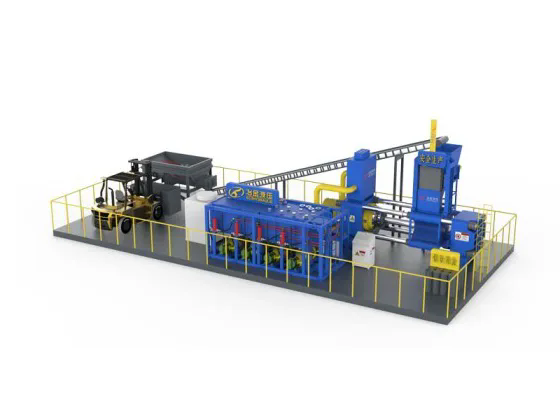
In this article, we will explore how aluminium briquetting machines work, their benefits, key applications, selection criteria, and why they have become an essential investment for modern metal recycling operations.
Article Summary
Aluminium scrap generated during manufacturing often contains valuable metal that can be recovered and reused. However, loose chips and turnings create operational challenges. An Aluminium Briquetting Machine compresses these materials into compact briquettes, improving handling, reducing waste, and increasing recycling efficiency. This guide explains the working principle, advantages, applications, and buying considerations for businesses seeking better scrap management solutions.
Table of Contents
- What Is an Aluminium Briquetting Machine?
- Why Is Aluminium Scrap Briquetting Important?
- How Does an Aluminium Briquetting Machine Work?
- Major Benefits of Aluminium Briquetting
- Industries That Use Aluminium Briquetting Machines
- Loose Scrap vs Aluminium Briquettes
- How to Choose the Right Aluminium Briquetting Machine
- Maintenance Tips for Long-Term Performance
- Future Trends in Aluminium Recycling
- Frequently Asked Questions
- Conclusion
What Is an Aluminium Briquetting Machine?
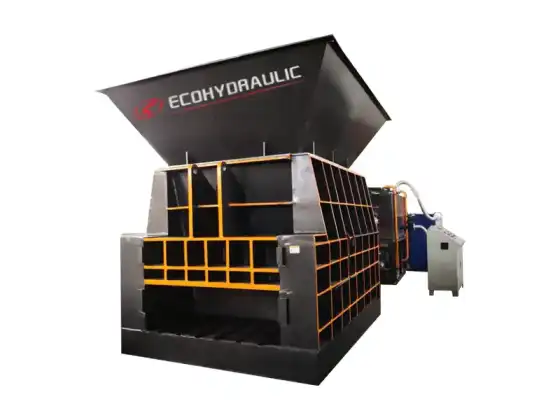
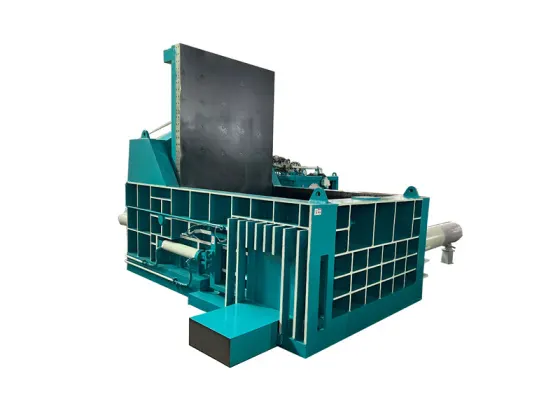
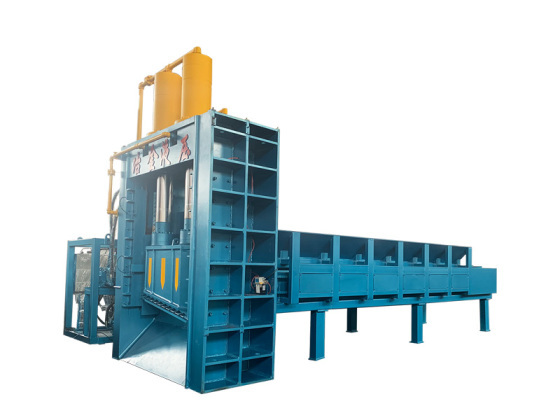
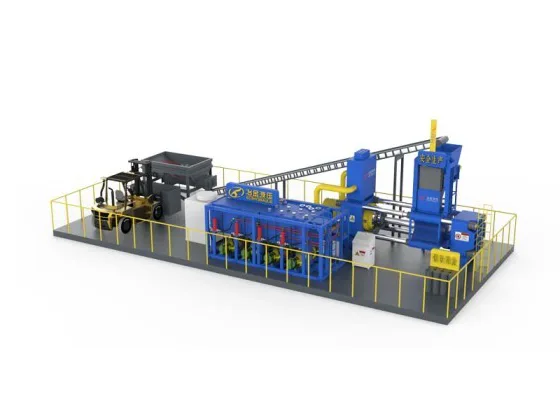
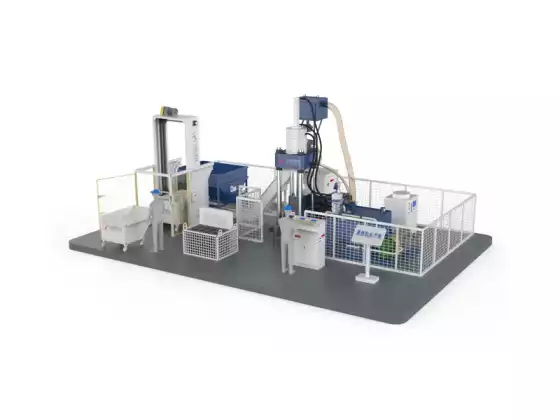
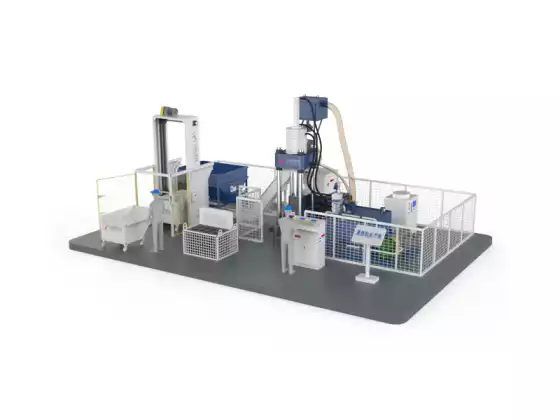
An Aluminium Briquetting Machine is an industrial hydraulic system designed to compress loose aluminium waste into dense cylindrical, square, or pillow-shaped briquettes. The machine applies high pressure to transform lightweight metal scrap into compact blocks that are easier to store, transport, and recycle.
Typical materials processed include:
- Aluminium chips
- Machining turnings
- Milling scrap
- Aluminium powder
- Grinding sludge
- Die-casting residues
- Extrusion waste
The resulting briquettes maintain high density and structural stability, making them ideal for remelting and secondary aluminium production.
Why Is Aluminium Scrap Briquetting Important?
Aluminium is one of the most recyclable metals in the world. However, loose scrap presents several challenges that directly affect operational efficiency and profitability.
Common problems associated with loose aluminium scrap include:
- Large storage space requirements
- High transportation expenses
- Material losses during handling
- Oxidation during melting
- Environmental contamination risks
- Difficult inventory management
Briquetting significantly reduces these issues by converting waste materials into uniform, high-density briquettes that can be efficiently processed throughout the recycling chain.
How Does an Aluminium Briquetting Machine Work?
The briquetting process is relatively straightforward but highly effective. Advanced hydraulic systems generate enormous compression force, enabling aluminium particles to bond together without requiring additional binders.
- Collection of aluminium chips, shavings, or turnings.
- Material feeding into the hopper.
- Automatic transfer into the compression chamber.
- Hydraulic ram applies high-pressure compaction.
- Formation of dense aluminium briquettes.
- Automatic discharge of finished briquettes.
Modern systems often include automatic feeding mechanisms, PLC control systems, pressure monitoring, and continuous operation capabilities to maximize productivity.
| Process Stage | Function |
|---|---|
| Material Feeding | Introduces aluminium scrap into the machine |
| Compression | Applies hydraulic pressure |
| Briquette Formation | Creates dense compact blocks |
| Discharge | Automatically ejects finished briquettes |
| Collection | Prepares briquettes for storage or transport |
Major Benefits of Aluminium Briquetting
Investing in an Aluminium Briquetting Machine delivers measurable advantages across production, logistics, and recycling operations.
1. Increased Material Recovery
Dense briquettes reduce oxidation losses during remelting, allowing manufacturers to recover a higher percentage of valuable aluminium.
2. Reduced Storage Requirements
Briquettes occupy significantly less space compared to loose chips, helping facilities optimize warehouse utilization.
3. Lower Transportation Costs
Compact briquettes improve loading efficiency and reduce freight expenses.
4. Cleaner Work Environment
Aluminium chips and powders can create housekeeping challenges. Briquetting minimizes loose material and improves workplace cleanliness.
5. Higher Scrap Value
Many recycling facilities offer better prices for dense, uniform briquettes than for loose metal scrap.
6. Improved Furnace Efficiency
Briquettes melt more consistently, reducing energy consumption and improving furnace performance.
Industries That Use Aluminium Briquetting Machines
Aluminium briquetting technology serves a wide variety of industrial sectors.
- Aluminium extrusion plants
- Die-casting manufacturers
- CNC machining workshops
- Automotive component producers
- Aerospace manufacturing facilities
- Metal recycling centers
- Foundries
- Metal processing companies
Any facility generating significant quantities of aluminium waste can benefit from implementing briquetting technology.
Loose Scrap vs Aluminium Briquettes
| Factor | Loose Aluminium Scrap | Aluminium Briquettes |
|---|---|---|
| Storage Efficiency | Low | High |
| Transportation Cost | Higher | Lower |
| Melting Efficiency | Moderate | Excellent |
| Material Loss | Higher | Reduced |
| Handling Convenience | Difficult | Easy |
| Environmental Cleanliness | Lower | Higher |
How to Choose the Right Aluminium Briquetting Machine
Selecting the appropriate machine requires evaluating operational requirements and future production goals.
Consider the following factors:
- Hourly processing capacity
- Type of aluminium scrap generated
- Desired briquette size and density
- Available installation space
- Automation requirements
- Hydraulic system performance
- Energy efficiency
- Maintenance accessibility
A properly sized machine ensures stable production, reduced operating costs, and maximum return on investment.
Maintenance Tips for Long-Term Performance
Routine maintenance is essential for maintaining productivity and preventing unexpected downtime.
- Inspect hydraulic oil regularly.
- Monitor system pressure levels.
- Check seals and hydraulic hoses.
- Clean feeding systems frequently.
- Lubricate moving components.
- Inspect electrical controls and sensors.
- Replace worn parts promptly.
Preventive maintenance programs help maximize equipment lifespan and ensure reliable operation.
Future Trends in Aluminium Recycling
As manufacturers focus on resource efficiency and waste reduction, aluminium recycling technologies continue to evolve. Modern briquetting systems increasingly incorporate:
- Smart automation controls
- Remote monitoring capabilities
- Energy-saving hydraulic systems
- Integrated chip handling solutions
- Higher-capacity continuous operation designs
These advancements help manufacturers improve productivity while maximizing the value recovered from aluminium scrap streams.
Frequently Asked Questions
Q1: What types of aluminium waste can be processed?
Aluminium chips, turnings, shavings, powder, grinding sludge, and various machining residues can typically be processed.
Q2: Does briquetting require binders or additives?
Most modern hydraulic aluminium briquetting machines operate without additional binders, relying solely on high-pressure compression.
Q3: Can briquettes be melted directly?
Yes. Aluminium briquettes are commonly fed directly into furnaces for remelting and recycling.
Q4: How much storage space can be saved?
Depending on material characteristics, briquetting can significantly reduce scrap volume and improve storage efficiency.
Q5: Is an Aluminium Briquetting Machine suitable for small workshops?
Yes. Machines are available in various capacities, making them suitable for both small machining shops and large industrial recycling facilities.
Q6: What is the primary economic benefit?
Higher scrap value, lower transportation costs, improved material recovery, and enhanced melting efficiency often provide strong financial returns.
Conclusion
An Aluminium Briquetting Machine is a highly effective solution for transforming loose aluminium waste into dense, valuable briquettes. By reducing storage requirements, lowering logistics costs, improving recycling efficiency, and increasing material recovery rates, these machines help manufacturers and recyclers maximize the value of their aluminium scrap.
Whether you operate a machining workshop, die-casting plant, recycling center, or large-scale manufacturing facility, investing in the right briquetting system can significantly improve operational efficiency and sustainability.
ECOHYDRAULIC specializes in advanced aluminium briquetting solutions designed for demanding industrial applications. If you are looking to improve scrap handling efficiency, increase recycling returns, and optimize your metal recovery process, contact us today to discuss the ideal Aluminium Briquetting Machine for your operation and receive professional technical support tailored to your production requirements.
Related News
- How Does a Cast Iron Briquetting Machine Improve Metal Recycling Efficiency?
- How Can a Copper Briquetting Machine Improve Metal Recycling Efficiency?
- How Does a Plate Shear Machine Boost Production Efficiency?
- What Are the Advantages of Hydraulic Metal Briquetting Machine?
- How Does an Iron Briquetting Machine Work?
- Are Traditional Scrap Metal Balers Wasting Your Profits?
Leave me a message