- Home
- About Us
- Products
- Hydraulic Metal Briquetting Machine
- Hydraulic Briquetting Machine
- Manganese Briquetting Machine
- Cast Iron Briquetting Machine
- Copper Briquetting Machine
- Metal Briquetting Machine
- Iron Briquetting Machine
- Cast Steel Briquetting Machine
- Steel Briquetting Machine
- Aluminium Briquetting Machine
- Scrap Briquetting Machine
- Brass Briquetting Machine
- Bronze Briquetting Machine
- Titanium Briquetting Machine
- Magnesium Briquetting Machine
- Tin Briquetting Machine
- Non Ferrous Briquetting Machine
- Hydraulic Metal Baler Machine
- Hydraulic Metal Shear Machine
- Hydraulic Metal Briquetting Machine
- News
- Download
- Send Inquiry
- Contact Us

Are Traditional Scrap Metal Balers Wasting Your Profits?
In the metal recycling industry—serving steel, aluminum, copper, and recycling sectors—efficiency directly translates to profitability, and the Scrap Metal Baler stands as a cornerstone piece of equipment for compressing loose scrap into manageable, transportable bales. Yet many enterprises unknowingly lose profits every day due to outdated, inefficient traditional Scrap Metal Balers, which cause excessive energy consumption, frequent downtime, inconsistent bale quality, and high maintenance costs. With insights from ECOHYDRAULIC’s nearly three decades of industry experience in hydraulic scrap metal processing equipment, including high-performance Scrap Metal Balers that address the core inefficiencies of traditional models, enterprises can identify how these outdated machines waste profits, recognize key pain points, and learn how professional, precision-manufactured alternatives reduce losses, improve efficiency, and boost profitability. Practical strategies to avoid profit waste and optimize metal recycling operations are rooted in understanding the gaps between traditional and advanced Scrap Metal Balers, and leveraging proven engineering expertise to implement solutions that deliver tangible bottom-line results.
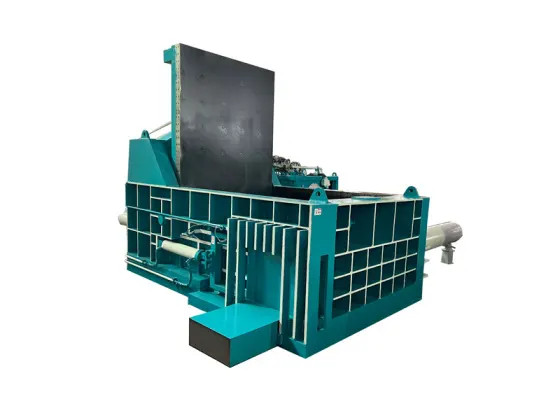
Why Traditional Scrap Metal Balers Are Eating Into Your Profits
Inefficient Energy Consumption: Higher Costs, Lower Returns
One of the biggest profit drains from traditional Scrap Metal Balers is their inefficient energy use. Most older models lack optimized hydraulic systems and intelligent control, meaning they consume excessive power even during idle periods or light-load operations. Unlike advanced models designed with energy-saving technology, traditional Scrap Metal Balers often run at full power regardless of the task, leading to skyrocketing electricity bills that cut into profit margins. For example, a medium-sized metal recycling operation using a traditional Scrap Metal Baler might spend 30% more on energy each month compared to using an energy-efficient alternative—costs that add up quickly over time and erode profits without any corresponding increase in output.
This inefficiency is often compounded by poor hydraulic system design. Traditional Scrap Metal Balers may have outdated pumps and hoses that leak fluid or waste power, requiring more energy to achieve the same compression force as modern models. Without energy recovery systems or variable speed drives, these balers waste energy during every compression cycle, turning small inefficiencies into significant long-term profit losses.
Frequent Downtime: Lost Production, Unplanned Costs
Traditional Scrap Metal Balers are prone to breakdowns and require frequent maintenance, leading to costly downtime that halts production and wastes labor. Many older models use low-quality components and lack rigorous quality control, making them susceptible to common issues like hydraulic fluid leaks, jammed rams, misaligned flaps, and loose cover locks. Each breakdown requires time to diagnose, repair, and restart operations—time that could be spent processing scrap and generating revenue. Even minor issues, such as air in the cylinder system or stuck overflow valves, can disrupt production and require maintenance, adding unplanned labor costs and delaying scrap processing.
Unlike advanced Scrap Metal Balers that undergo strict load testing and quality inspections before use, traditional models often lack reliable performance guarantees. This means enterprises using traditional balers face constant uncertainty—one unexpected breakdown can derail an entire day’s production, leading to missed opportunities and lost profits. Over time, the cumulative cost of downtime, maintenance labor, and replacement parts can become a significant burden for recycling operations of all sizes.
Inconsistent Bale Quality: Reduced Value and Higher Transport Costs
The quality of bales produced by a Scrap Metal Baler directly impacts profitability—yet traditional models often produce inconsistent, low-density bales that reduce scrap value and increase transport costs. Traditional balers lack precise pressure control and uniform compression, resulting in bales that are too loose, uneven, or misshapen. Loose bales take up more space during transportation, requiring more trips to move the same amount of scrap and increasing fuel costs. Additionally, steel mills and smelters often pay less for inconsistent bales that don’t meet their density standards, as they require more processing before reuse.
For example, a traditional Scrap Metal Baler might produce bales with variable density, ranging from 1.2 to 1.8 t/m³ for light mixed scrap, while advanced models can consistently achieve densities of 2.0 t/m³ or higher. This inconsistency not only reduces the value per bale but also makes storage and transportation less efficient. Over time, these small losses per bale add up to significant profit waste for enterprises processing large volumes of scrap metal.
Poor Adaptability: Limited Scrap Handling Capabilities
Traditional Scrap Metal Balers often have limited adaptability, unable to handle the diverse range of scrap materials common in modern recycling operations. Whether it’s lightweight aluminum cans, bulky steel sheets, or mixed ferrous and non-ferrous scrap, traditional balers struggle to process different materials efficiently, leading to inefficiencies and wasted scrap value. Many older models are designed for a single type of scrap, requiring enterprises to invest in multiple machines or manually sort scrap before processing—adding labor costs and reducing overall efficiency.
This lack of adaptability is particularly problematic for operations that process mixed scrap, as traditional balers may jam or produce poor-quality bales when handling diverse materials. Without specialized designs for different scrap types, enterprises miss out on opportunities to process high-value materials efficiently, further wasting profits.
Comparative Analysis: Traditional vs. Advanced Scrap Metal Balers
To clearly see how traditional Scrap Metal Balers waste profits compared to advanced models, the following table compares key performance metrics, highlighting the gaps in efficiency, reliability, and profitability—drawing on industry data and proven engineering insights from ECOHYDRAULIC in manufacturing high-performance scrap metal processing equipment:
| Performance Metric | Traditional Scrap Metal Balers | Advanced Scrap Metal Balers (ECOHYDRAULIC Style) | Profit Impact of the Gap |
|---|---|---|---|
| Energy Efficiency | Inefficient; 30-40% more energy consumption; no energy-saving features | Energy-optimized hydraulic systems; variable speed drives; 30% lower energy use | Reduced electricity costs; lower operational expenses |
| Downtime Rate | High; 15-20% downtime due to breakdowns and maintenance | Low; <5% downtime; strict quality control and durable components | More production hours; reduced labor and repair costs |
| Bale Density & Consistency | Inconsistent; 1.2-1.8 t/m³; loose, misshapen bales | Consistent; 2.0-2.5 t/m³; uniform, dense bales meeting mill standards | Higher scrap value; lower transport and storage costs |
| Scrap Adaptability | Limited; handles 1-2 scrap types; prone to jamming with mixed materials | Versatile; handles ferrous/non-ferrous, light/heavy scrap; specialized designs available | Reduced sorting labor; ability to process high-value mixed scrap |
| Maintenance Costs | High; frequent part replacements; costly repairs; no standardized maintenance | Low; durable components; CE & ISO 9001 certified quality; easy maintenance | Reduced maintenance labor and part costs; longer service life |
| Service Life | 5-8 years; poor material quality and manufacturing | 15+ years; high-grade materials; precision machining; strict load testing | Reduced replacement costs; long-term cost savings |
Key Industry Pain Points Solved by Advanced Scrap Metal Balers
Pain Point 1: “High Energy Bills Are Cutting Into Our Profits”
For most metal recycling enterprises, energy costs are a major operational expense—and traditional Scrap Metal Balers only make this worse. Many operations struggle with rising electricity bills, unaware that their baler is the main culprit. Advanced Scrap Metal Balers address this pain point with optimized hydraulic systems, energy recovery technology, and intelligent control, reducing energy consumption by up to 30% compared to traditional models. For example, models designed with ECOHYDRAULIC’s engineering expertise feature variable speed drives that adjust power based on the task, eliminating energy waste during idle or light-load periods. This translates to lower monthly energy bills, directly boosting profit margins without sacrificing performance.
Pain Point 2: “Frequent Breakdowns Are Disrupting Our Production”
Downtime is the enemy of profitability, and traditional Scrap Metal Balers are prone to constant breakdowns that halt production and waste labor. Enterprises often find themselves stuck in a cycle of repairing their baler, losing production time, and paying for expensive parts and labor. Advanced Scrap Metal Balers solve this by using high-quality components, rigorous quality control, and strict load testing before delivery—ensuring reliable performance and minimal downtime. Designed with the same engineering rigor as ECOHYDRAULIC’s equipment, these advanced Scrap Metal Balers incorporate durable components and strict quality standards to reduce breakdowns and extend service life. With proper maintenance, advanced balers can operate for 15+ years with minimal downtime, keeping production on track and profits flowing.
Pain Point 3: “Inconsistent Bales Are Reducing Our Scrap Value”
Many enterprises struggle with bales that don’t meet buyer standards, leading to lower prices and higher transport costs. Traditional Scrap Metal Balers lack precise pressure control, resulting in inconsistent density and shape—problems that make bales less valuable and more expensive to transport. Advanced Scrap Metal Balers resolve this with precise hydraulic control and uniform compression, producing dense, uniform bales that meet steel mill and smelter standards. For instance, models built with the same precision as ECOHYDRAULIC’s Scrap Metal Balers use advanced compression technology to ensure consistent bale density, increasing scrap value by 10-15% and reducing transport costs by up to 40% (thanks to smaller, denser bales that take up less space). This directly translates to higher profits per ton of scrap processed.
Pain Point 4: “Our Baler Can’t Handle Mixed Scrap, Wasting Valuable Materials”
Modern recycling operations often process a mix of ferrous and non-ferrous scrap, including steel, aluminum, copper, and more—but traditional Scrap Metal Balers can’t handle this diversity efficiently. This forces enterprises to manually sort scrap or invest in multiple machines, adding labor costs and reducing efficiency. Advanced Scrap Metal Balers are designed for versatility, with specialized configurations to handle different scrap types—from lightweight aluminum cans to bulky steel sheets and mixed scrap. Tailored to serve the steel, aluminum, copper, and recycling industries (like ECOHYDRAULIC’s equipment), these advanced Scrap Metal Balers feature customizable designs that adapt to diverse scrap streams. This eliminates the need for manual sorting, reduces labor costs, and ensures enterprises can process all their scrap efficiently, maximizing profits.
How Advanced Scrap Metal Balers Boost Profitability (Real-World Impact)
The difference between a traditional Scrap Metal Baler and an advanced model isn’t just in performance—it’s in the bottom line. Consider a medium-sized metal recycling operation processing 500 tons of scrap per month. Using a traditional Scrap Metal Baler, the operation might face: $3,000 in extra energy costs per month, $2,000 in maintenance and repair costs, 10% lower scrap value due to inconsistent bales, and 15% downtime leading to lost production. Over a year, this adds up to nearly $100,000 in wasted profits.
By switching to an advanced Scrap Metal Baler, the same operation could reduce energy costs by 30% ($10,800 per year), cut maintenance costs by 50% ($12,000 per year), increase scrap value by 10% ($60,000 per year), and reduce downtime to less than 5% (saving $15,000 per year in lost production). This totals over $97,000 in annual profit savings—money that can be reinvested in the business or retained as revenue. This real-world impact is why more and more enterprises are upgrading to advanced Scrap Metal Balers to stop profit waste and improve their bottom line.
What to Look for in an Advanced Scrap Metal Baler
1. Energy Efficiency Features
Look for Scrap Metal Balers with optimized hydraulic systems, variable speed drives, and energy recovery technology. These features reduce energy consumption, lower electricity bills, and improve long-term profitability. Models designed with the same engineering focus as ECOHYDRAULIC’s equipment incorporate advanced hydraulic components that minimize power waste while maintaining high compression force.
2. Rigorous Quality Control and Durability
Choose a Scrap Metal Baler from a manufacturer with strict quality control standards, such as CE & ISO 9001 certification. Look for models made with high-grade materials, precision machining, and strict load testing before delivery—ensuring durability and minimal downtime. This level of quality, aligned with the standards used in ECOHYDRAULIC’s production facilities and technical processes, ensures every baler meets the highest performance benchmarks.
3. Versatility and Adaptability
Select a Scrap Metal Baler that can handle the diverse scrap types your operation processes. Advanced models should accommodate ferrous and non-ferrous scrap, light and heavy materials, and mixed scrap streams—eliminating the need for manual sorting and multiple machines. Like the versatile designs used in ECOHYDRAULIC’s equipment, these advanced Scrap Metal Balers are tailored to the steel, aluminum, copper, and recycling industries, with customizable options to meet specific operational needs.
4. Easy Maintenance and Support
An advanced Scrap Metal Baler should be easy to maintain, with accessible components and clear maintenance guidelines. Look for a manufacturer with a dedicated technical support team to assist with maintenance, repairs, and troubleshooting. This level of support, similar to the assistance provided alongside ECOHYDRAULIC’s equipment, ensures your baler operates at peak efficiency and minimizes downtime.
Related News
- How Does a Cast Iron Briquetting Machine Improve Metal Recycling Efficiency?
- How Can a Copper Briquetting Machine Improve Metal Recycling Efficiency?
- How Does an Aluminium Briquetting Machine Transform Metal Scrap into Valuable Resources?
- How Does a Plate Shear Machine Boost Production Efficiency?
- What Are the Advantages of Hydraulic Metal Briquetting Machine?
- How Does an Iron Briquetting Machine Work?
Leave me a message