- Home
- About Us
- Products
- Hydraulic Metal Briquetting Machine
- Hydraulic Briquetting Machine
- Manganese Briquetting Machine
- Cast Iron Briquetting Machine
- Copper Briquetting Machine
- Metal Briquetting Machine
- Iron Briquetting Machine
- Cast Steel Briquetting Machine
- Steel Briquetting Machine
- Aluminium Briquetting Machine
- Scrap Briquetting Machine
- Brass Briquetting Machine
- Bronze Briquetting Machine
- Titanium Briquetting Machine
- Magnesium Briquetting Machine
- Tin Briquetting Machine
- Non Ferrous Briquetting Machine
- Hydraulic Metal Baler Machine
- Hydraulic Metal Shear Machine
- Hydraulic Metal Briquetting Machine
- News
- Download
- Send Inquiry
- Contact Us

How Can a Copper Briquetting Machine Improve Metal Recycling Efficiency?
Article Summary
Copper waste management has become a critical challenge for industries involved in machining, electrical manufacturing, metal processing, and recycling. Large volumes of copper scraps, chips, and residues are generated every day, creating problems related to storage space, transportation costs, material loss, and environmental compliance. A Copper Briquetting Machine provides an effective solution by compressing loose copper waste into dense briquettes that are easier to handle, transport, and recycle. This article explains how copper briquetting technology works, the key benefits it provides, how to choose the right equipment, and why professional manufacturers such as LECOHYDRAULIC help businesses achieve more efficient metal recycling operations.
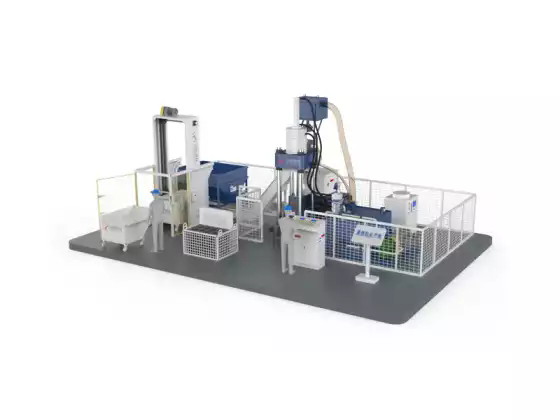
Table of Contents
- 1. Understanding the Role of a Copper Briquetting Machine
- 2. Common Challenges in Copper Scrap Management
- 3. How Does a Copper Briquetting Machine Work?
- 4. Major Benefits of Using a Copper Briquetting Machine
- 5. Industrial Applications of Copper Briquetting Equipment
- 6. How to Choose the Right Copper Briquetting Machine?
- 7. Copper Briquetting Machine vs Traditional Scrap Handling Methods
- 8. Maintenance Tips for Long-Term Equipment Performance
- 9. Frequently Asked Questions
- 10. Conclusion
Article Outline
- The importance of copper recycling and efficient scrap handling
- The operating principles of copper briquetting technology
- How briquetting machines solve industrial waste problems
- Key advantages including cost reduction and improved recycling value
- Factors to consider before purchasing equipment
- Maintenance strategies and frequently asked questions
Understanding the Role of a Copper Briquetting Machine
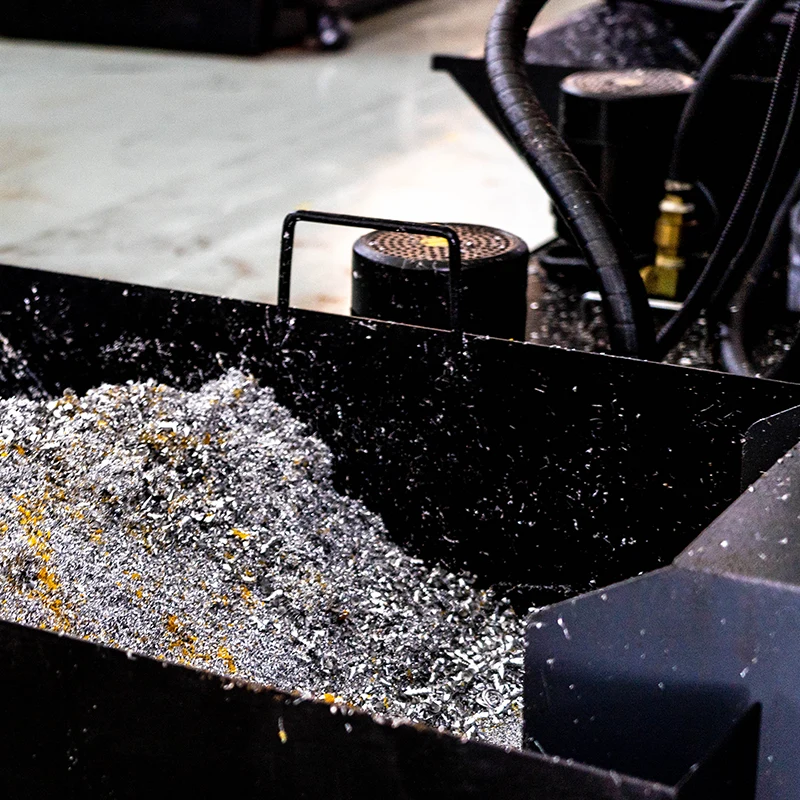
Copper is one of the most valuable recyclable metals because it maintains excellent conductivity and material properties even after repeated recycling processes. However, copper processing industries often face difficulties when dealing with loose copper chips, turnings, and scraps produced during machining operations.
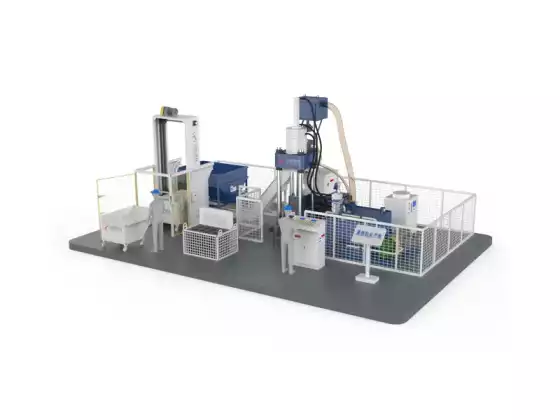
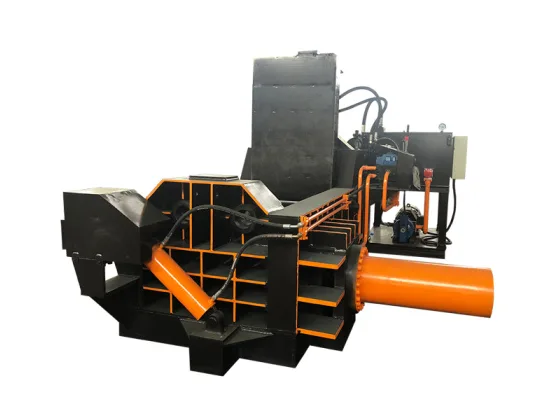
A Copper Briquetting Machine is designed to compress scattered copper residues into compact blocks under high pressure. These compressed briquettes have higher density, reduced volume, and improved handling characteristics compared with loose scrap materials.
For factories producing large amounts of copper waste, briquetting technology transforms a disposal challenge into an opportunity for resource recovery. By reducing scrap volume and improving recycling efficiency, companies can recover more economic value from their production waste.
Common Challenges in Copper Scrap Management
Many manufacturers underestimate the difficulties caused by unmanaged copper waste. Loose copper scraps may appear harmless, but they can create significant operational issues.
| Challenge | Impact on Business |
|---|---|
| Large storage space requirements | Loose copper chips occupy excessive factory space and reduce workplace efficiency. |
| High transportation expenses | Low-density scrap requires more frequent transportation and increases logistics costs. |
| Material loss during handling | Small copper particles may be lost during collection and transportation. |
| Difficult recycling process | Loose scrap is harder to melt and process efficiently. |
| Safety concerns | Sharp metal chips may create workplace hazards for operators. |
A Copper Briquetting Machine addresses these issues by changing loose scrap into compact and manageable forms, improving the entire recycling workflow.
How Does a Copper Briquetting Machine Work?
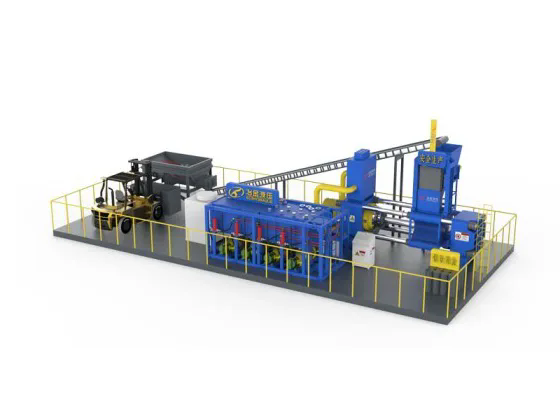
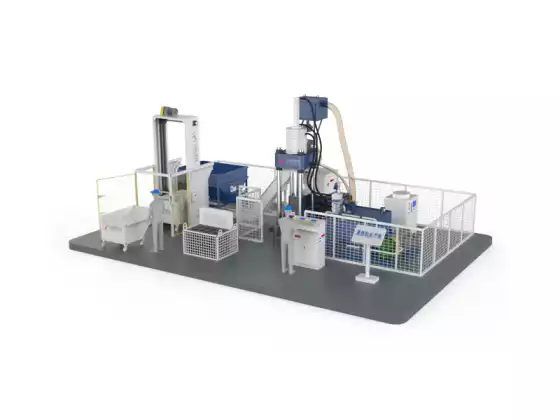
The working process of a copper briquetting machine is based on hydraulic compression technology. The machine applies strong pressure to copper scraps inside a specially designed chamber, forcing the materials to become compact briquettes.
The general working process includes several steps:
- Step 1: Scrap Collection – Copper chips, powder, and machining residues are collected from production lines.
- Step 2: Material Feeding – The collected copper waste is placed into the machine feeding system.
- Step 3: Hydraulic Compression – The hydraulic system applies controlled pressure to compress copper materials.
- Step 4: Briquette Formation – The compressed copper blocks are discharged for storage, transportation, or recycling.
Advanced equipment uses stable hydraulic systems, durable components, and intelligent control technology to ensure consistent briquette quality and reliable operation.
Major Benefits of Using a Copper Briquetting Machine
1. Reduce Storage Requirements
Copper scraps normally contain a large amount of empty space between particles. After compression, the volume can be significantly reduced, allowing factories to use storage areas more efficiently.
2. Increase Recycling Value
Compact copper briquettes are easier for recycling facilities to handle. Their higher density improves transportation efficiency and supports better recycling processes.
3. Lower Transportation Costs
Because briquetted copper takes up less space, companies can transport larger amounts of material in fewer shipments, reducing logistics expenses.
4. Improve Workplace Safety
Loose copper chips with sharp edges can create risks for workers. Briquetting helps organize waste materials and creates a cleaner production environment.
5. Support Sustainable Manufacturing
Efficient recycling reduces resource waste and helps manufacturers build more environmentally responsible production systems.
Industrial Applications of Copper Briquetting Equipment
Copper briquetting machines are widely used in industries where copper waste is generated regularly.
| Industry | Application |
|---|---|
| CNC Machining | Compress copper chips generated during precision machining processes. |
| Electrical Manufacturing | Recycle copper wires, components, and production residues. |
| Automotive Industry | Handle copper waste from vehicle component manufacturing. |
| Metal Processing Plants | Improve scrap collection and recycling efficiency. |
| Recycling Companies | Create compact copper blocks for easier processing and transportation. |
How to Choose the Right Copper Briquetting Machine?
Selecting suitable equipment requires careful evaluation of production requirements, material characteristics, and operating conditions.
- Processing Capacity: Choose a machine according to the daily amount of copper waste generated.
- Compression Pressure: Higher pressure capability can create denser briquettes.
- Automation Level: Automated systems can reduce labor requirements and improve productivity.
- Machine Durability: High-quality hydraulic components ensure stable long-term operation.
- After-Sales Support: Reliable technical assistance helps reduce downtime.
Professional manufacturers such as LECOHYDRAULIC focus on providing hydraulic briquetting solutions that meet different industrial requirements, helping customers improve productivity and recycling performance.
Copper Briquetting Machine vs Traditional Scrap Handling Methods
| Factor | Traditional Scrap Handling | Copper Briquetting Machine |
|---|---|---|
| Storage Efficiency | Requires large storage areas | Compact briquettes save space |
| Transportation | Higher cost due to low density | More efficient transportation |
| Material Recovery | Lower recycling convenience | Improved recycling value |
| Work Environment | Loose scraps create hazards | Cleaner and safer operation |
Maintenance Tips for Long-Term Equipment Performance
Proper maintenance ensures stable operation and extends the service life of copper briquetting equipment.
- Regularly check hydraulic oil quality and replace it when necessary.
- Inspect hydraulic cylinders and pressure components for abnormal conditions.
- Keep feeding areas clean to prevent material blockage.
- Check electrical control systems periodically.
- Follow manufacturer maintenance recommendations.
Routine inspection helps prevent unexpected downtime and keeps production processes running smoothly.
Frequently Asked Questions
Q1: What materials can a Copper Briquetting Machine process?
A Copper Briquetting Machine can process various copper wastes including copper chips, copper turnings, copper powder, and machining residues generated from industrial production.
Q2: Why should copper scraps be compressed before recycling?
Compression reduces scrap volume, improves transportation efficiency, increases material density, and makes recycling operations easier.
Q3: Is a Copper Briquetting Machine suitable for small factories?
Yes. Different machine models are available according to production capacity, available space, and recycling requirements.
Q4: How long can a copper briquetting machine operate?
With proper maintenance and reliable components, industrial briquetting machines can provide many years of stable service.
Q5: Why choose LECOHYDRAULIC for copper briquetting solutions?
LECOHYDRAULIC provides professional hydraulic equipment solutions with a focus on stable performance, efficient operation, and meeting the practical needs of industrial customers.
Conclusion
A Copper Briquetting Machine is an effective solution for companies looking to improve copper scrap management, reduce operational costs, and increase recycling efficiency. By transforming loose copper waste into compact briquettes, businesses can optimize storage, transportation, and material recovery processes.
Choosing reliable equipment from experienced manufacturers ensures better productivity, durability, and long-term value. LECOHYDRAULIC is committed to delivering high-performance hydraulic solutions that help industries achieve more efficient and sustainable metal recycling.
If you are looking for a reliable Copper Briquetting Machine to upgrade your recycling process and improve production efficiency, please contact us today. LECOHYDRAULIC is ready to provide professional solutions tailored to your industrial needs. Contact us for more information and customized equipment support.
Related News
- How Does a Cast Iron Briquetting Machine Improve Metal Recycling Efficiency?
- How Does an Aluminium Briquetting Machine Transform Metal Scrap into Valuable Resources?
- How Does a Plate Shear Machine Boost Production Efficiency?
- What Are the Advantages of Hydraulic Metal Briquetting Machine?
- How Does an Iron Briquetting Machine Work?
- Are Traditional Scrap Metal Balers Wasting Your Profits?
Leave me a message