- Home
- About Us
- Products
- Hydraulic Metal Briquetting Machine
- Hydraulic Briquetting Machine
- Manganese Briquetting Machine
- Cast Iron Briquetting Machine
- Copper Briquetting Machine
- Metal Briquetting Machine
- Iron Briquetting Machine
- Cast Steel Briquetting Machine
- Steel Briquetting Machine
- Aluminium Briquetting Machine
- Scrap Briquetting Machine
- Brass Briquetting Machine
- Bronze Briquetting Machine
- Titanium Briquetting Machine
- Magnesium Briquetting Machine
- Tin Briquetting Machine
- Non Ferrous Briquetting Machine
- Hydraulic Metal Baler Machine
- Hydraulic Metal Shear Machine
- Hydraulic Metal Briquetting Machine
- News
- Download
- Send Inquiry
- Contact Us

How Does Hydraulic Briquetting Machine Work?
Article Summary
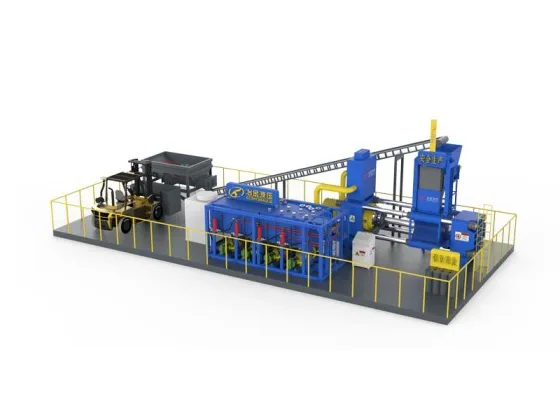
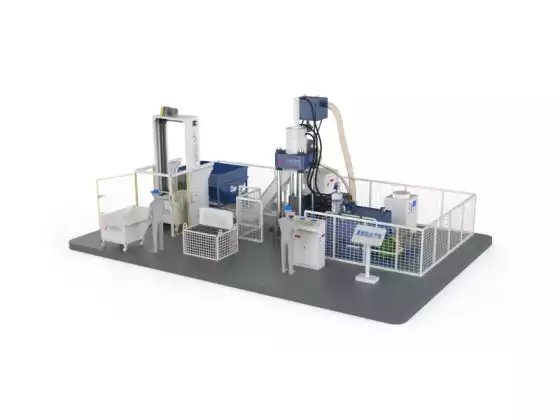
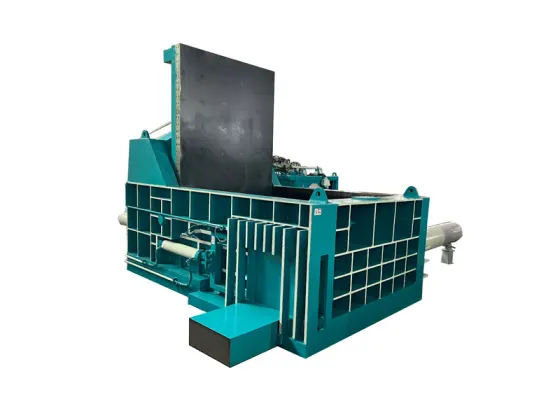
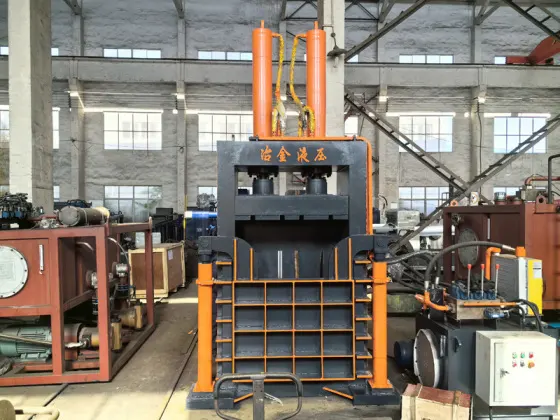
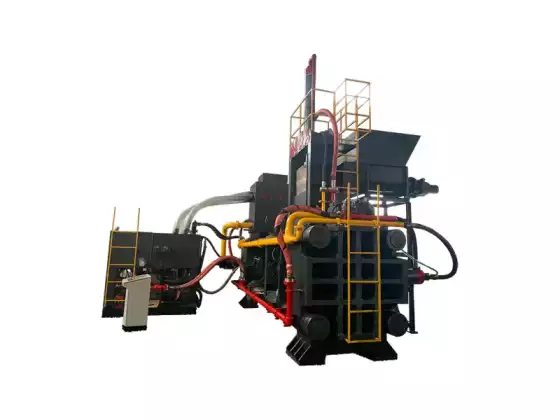
A Hydraulic Briquetting Machine is an industrial solution designed to compress loose biomass, metal scraps, or other waste materials into dense, uniform briquettes. This process not only reduces storage and transportation costs but also improves recycling efficiency and environmental sustainability. This article explains working principles, key benefits, applications, technical structure, and selection guidance to help buyers and operators fully understand its value in modern industrial processing.
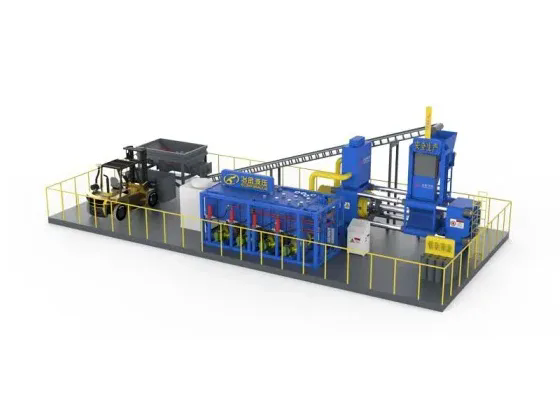
Table of Contents
1. Outline Overview
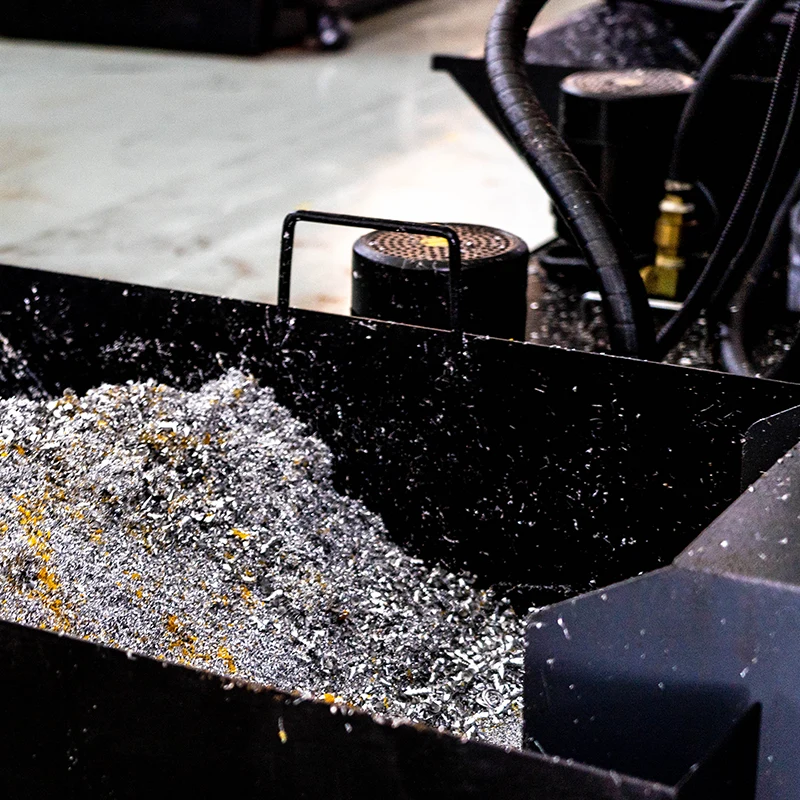
Hydraulic briquetting technology has become essential in industries dealing with metal chips, sawdust, agricultural waste, and recyclable materials. By applying high pressure through hydraulic systems, the machine converts loose or fragmented materials into solid briquettes that are easier to handle, store, and transport.
This process significantly reduces waste volume while increasing material value for reuse or resale.
2. Working Principle of Hydraulic Briquetting Machine
The core mechanism relies on hydraulic pressure generated by a pump system. The process can be broken down into four stages:
- Feeding: Raw material is loaded into the hopper.
- Compression: Hydraulic cylinders apply high pressure to compact the material.
- Forming: The compressed material takes the shape of a mold or die.
- Discharge: Finished briquettes are automatically ejected.
The system ensures uniform density and stable output quality, which is essential for downstream processing or energy use.
3. Machine Structure and Components
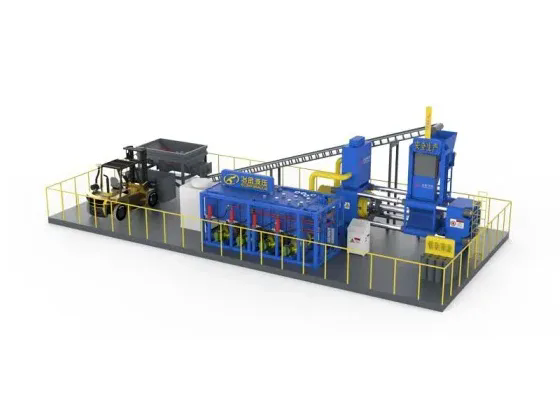
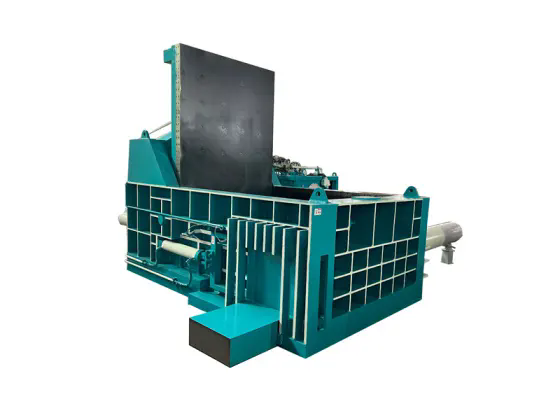
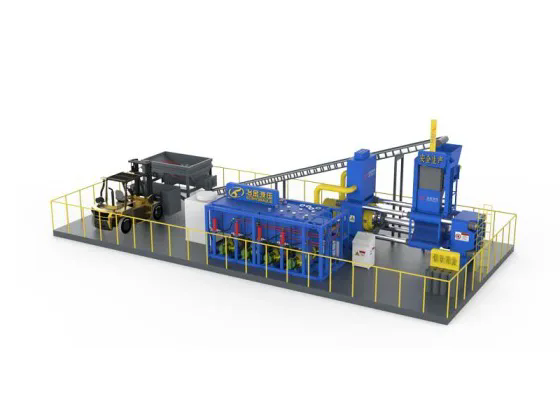
A typical hydraulic briquetting system consists of several key components:
| Component | Function |
|---|---|
| Hydraulic Pump | Generates pressure required for compression |
| Press Cylinder | Applies force to compress raw material |
| Control System | Manages pressure, timing, and automation |
| Feeding Hopper | Receives and distributes raw materials |
| Molding Die | Shapes the final briquette product |
Each part plays a crucial role in ensuring efficiency, stability, and durability during continuous operation.
4. Key Advantages of Hydraulic Briquetting Machine
Businesses across multiple industries adopt hydraulic briquetting due to its clear operational and economic benefits:
- Volume Reduction: Reduces material size by up to 90%.
- Cost Efficiency: Lowers transportation and storage costs.
- Environmental Impact: Supports recycling and waste reduction.
- High Density Output: Produces durable and uniform briquettes.
- Automation Capability: Reduces manual labor requirements.
These advantages make it a critical machine in sustainable industrial processing systems.
5. Industrial Applications
Hydraulic briquetting machines are widely used in different sectors:
- Metal recycling plants (steel, aluminum, copper chips)
- Biomass energy production (wood sawdust, rice husk)
- Mining and metallurgy industries
- Waste management and recycling facilities
- Foundries and machining workshops
In each case, the machine helps transform low-value waste into reusable or sellable compressed blocks.
6. Hydraulic vs Mechanical Briquetting Systems
| Feature | Hydraulic System | Mechanical System |
|---|---|---|
| Pressure Control | Highly adjustable | Fixed or limited control |
| Energy Efficiency | Optimized for variable loads | Higher energy consumption |
| Maintenance | Lower wear and tear | Higher mechanical stress |
| Output Quality | Uniform density | Less consistent |
Hydraulic systems generally provide better precision and adaptability, especially in industries requiring consistent briquette quality.
7. How to Choose the Right Hydraulic Briquetting Machine
Selecting the appropriate model depends on several operational factors:
- Material Type: Metal, biomass, or mixed waste
- Production Capacity: Output volume per hour
- Automation Level: Manual, semi-automatic, or fully automatic
- Hydraulic Pressure: Determines compression strength
- Space Availability: Factory layout and installation area
Proper evaluation ensures long-term efficiency and cost savings.
8. Frequently Asked Questions (FAQ)
Q1: What materials can be processed?
A: Metal chips, biomass waste, sawdust, and various recyclable industrial residues.
Q2: Is hydraulic briquetting energy efficient?
A: Yes, it optimizes energy use through controlled pressure cycles.
Q3: Are briquettes reusable?
A: Yes, they can be reused in smelting, fuel production, or recycling processes.
Q4: How long does the machine last?
A: With proper maintenance, it can operate efficiently for many years.
Q5: Does it require skilled operators?
A: Most modern systems are designed for easy operation with minimal training.
Conclusion
The Hydraulic Briquetting Machine is a powerful solution for industries aiming to improve waste management efficiency, reduce costs, and support sustainable production systems. Its hydraulic-driven mechanism ensures consistent compression, making it suitable for a wide range of materials and applications.
For advanced engineering solutions and customized briquetting systems, ECOHYDRAULIC provides reliable equipment tailored to industrial needs. If you are looking to upgrade your production line or improve waste recycling efficiency, ECOHYDRAULIC—contact us today for professional support and tailored solutions.
Related News
- How Does a Cast Iron Briquetting Machine Improve Metal Recycling Efficiency?
- How Can a Copper Briquetting Machine Improve Metal Recycling Efficiency?
- How Does an Aluminium Briquetting Machine Transform Metal Scrap into Valuable Resources?
- How Does a Plate Shear Machine Boost Production Efficiency?
- What Are the Advantages of Hydraulic Metal Briquetting Machine?
- How Does an Iron Briquetting Machine Work?
Leave me a message